
A NIOSH-Funded Region 2
Education and Research Center
The New York-New Jersey Education and Research Center (NYNJERC) is one of 18 National Institute for Occupational Safety and Health (NIOSH)-sponsored Educational and Research Centers (ERCs) located at universities throughout the United States.The NYNJERC serves as the leading hub for Occupational Safety and Health (OSH) education, training, and research in Region 2, including New York, New Jersey, Puerto Rico, and U.S. Virgin Islands.Supported continuously by NIOSH since 1978, the NYNJERC provides rigorous interdisciplinary academic and professional training across major OSH disciplines, including occupational medicine, occupational health nursing, industrial hygiene, and occupational safety engineering.

News & Events
🏆
Congratulations to Dr. Mitchel Rosen!
Recipient of the 2026 Delta Omega Innovative Curriculum Award for the Industrial Site Visits course, part of our Interdisciplinary Program.
New! 2027 Pilot Project Award RFA - Application Due: February 01, 2027
New! Pilot Program Newsletter (Issue No.3) - October 2026 Issue
New! 2026 Pilot Research Symposium - December 11, 2026
46th Annual Scientific Meeting - April 24, 2026
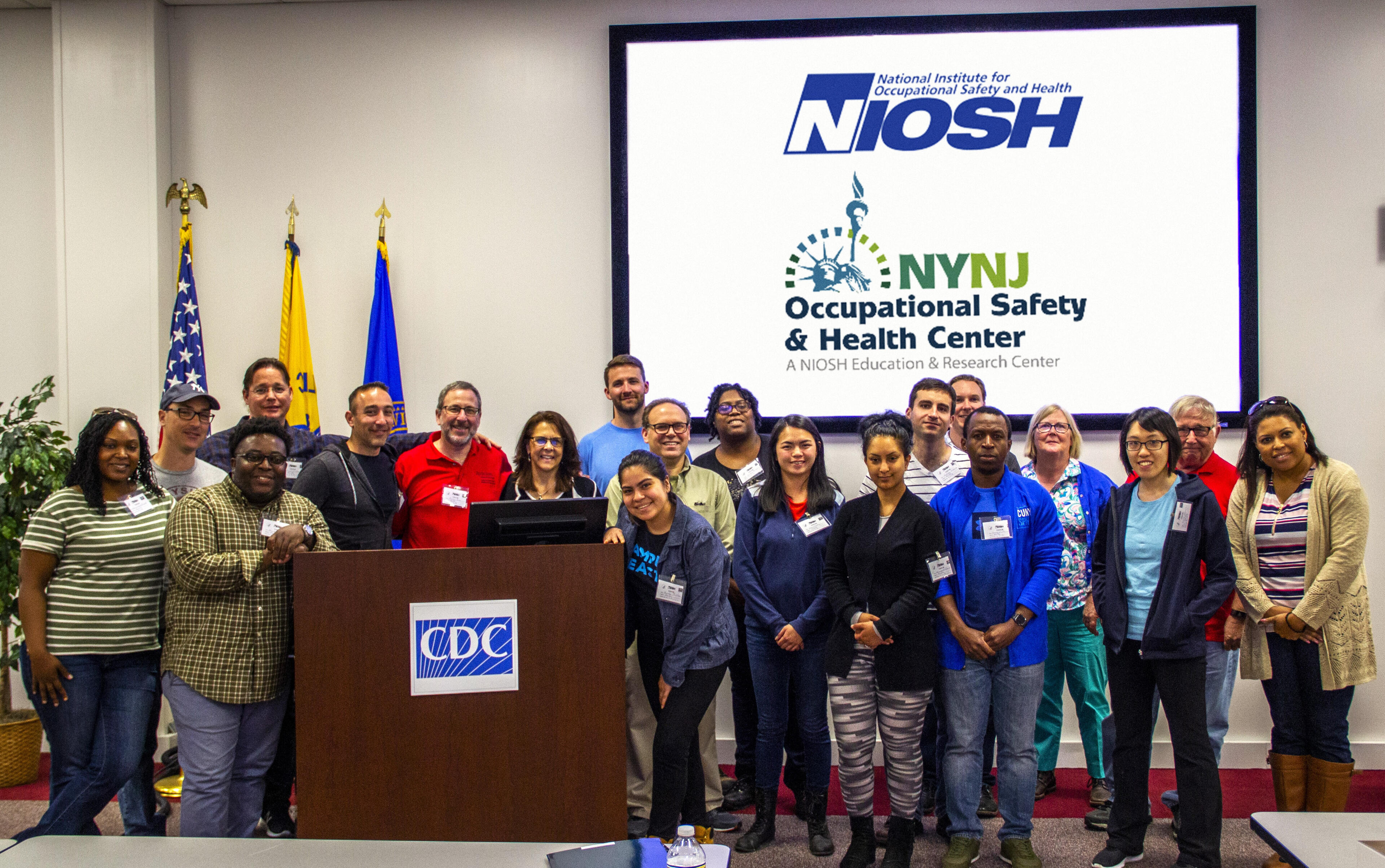
Learn more about the ERC
The Region 2 ERC is a consortium of five institutes, consisting of 9 education and training programs.
Explore Our Programs & Resources

Academic and Training Programs
Learn about our academic and training programs, outreach, continuing education, and pilot project grants.
Library and Resources
View our newsletters, recordings of our ERC Scientific Meetings, Pilot Research Symposiums, and more.
OUR MISSION


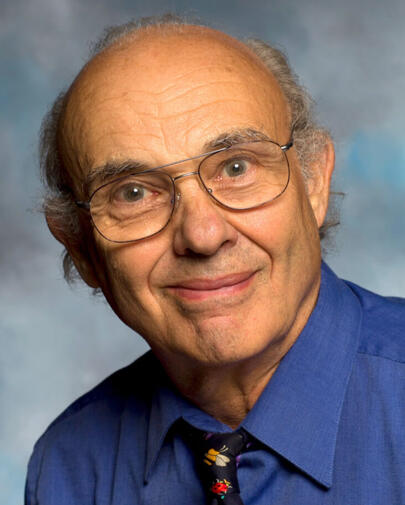
The New York-New Jersey Education and Research Center (NYNJERC) is the hub of education and research in Occupational Safety and Health (OSH) in Region 2. Our mission is to prepare the next generation of professionals to be leaders in OSH through rigorous interdisciplinary academic training programs in all the major fields of OSH – occupational medicine, occupational health nursing, industrial hygiene, occupational safety, and health engineering and ergonomics. Our graduates are equipped with the knowledge, skills and attitudes to understand, evaluate, prevent, manage and treat occupational diseases and injuries, serving workers throughout Region 2 and across the United States.The NYNJERC was founded by the late Irving J. Selikoff, MD, a renowned pulmonary physician and pioneer in Occupational and Environmental Medicine (OEM), who made seminal discoveries pertaining to the human carcinogenicity of asbestos and was centrally involved in creating both the National Institute for Occupational Safety and Health (NIOSH) and the Occupational Safety and Health Administration (OSHA).Supported continuously by NIOSH since 1978, the NYNJERC has developed strong research and educational programs under a series of distinguished leaders in academic occupational medicine. Over the decades, the Center has trained generations of OSH professionals, many of whom now hold senior leadership positions and contribute to the OEM workforce in Region 2 and across the nation.
PROGRAMS
PROGRAMS
Occupational Medicine Programs

The Occupational Medicine (OM) Programs at the Icahn School of Medicine at Mount Sinai and the Rutgers School of Public Health provide two-year, full-time residency programs in Occupational Medicine, leading to board eligibility in this area. The programs have four components:
Didactic program leading to a MPH degree
Extensive clinical training in Occupational Medicine and other relevant sub-specialties of medicine
Field placement in diverse occupational settings
Research training



Current and Previous Trainees
Current ResidentsMount Sinai
Maxwell Li MD (Co-Chief Resident)
Sharon Johnson MD, (Co-Chief Resident)
Carrie Forman, MD
Kristopher Ruiz, MD
Rutgers
Nicky K. Wu, MD, MPH (Chief Resident)
Sotonye Douglas, MD
Jaraad Ramkissoon, MD
Gerardo Velez, MD
Recent GraduatesMount Sinai
Dina Abdurahman, DO, MPH (2026)
Zulfau Agwedicham, MD, MPH, MSc (2026)
Rutgers
Usmaan Shah, DO, MPH (2026)
Bar Borohov, MD, MPH (2026)
Derek Murphy, DO, MPH (2026)
PROGRAMS
Industrial Hygiene Program

The Industrial Hygiene Programs at the City University of New York (CUNY) is ABET-accredited. The program consists of 15 credits of public health core courses, 25 credits of specialized Industrial Hygiene credits, and eight credits of EOHS electives, for a total of 48 credits. The MS in Environmental and Occupational Health Sciences program prepares students for careers in the growing field of Industrial Hygiene. Students gain the scientific framework and technical skills to assess and measure exposures to environmental and occupational hazards and to develop control strategies to remediate these exposures, with the ultimate aim of ensuring that workplaces in every field, from offices to schools to factories, are safe and healthy environments. The Industrial Hygiene program also has a concentration in Hazardous Substances Academic Training. The Advanced Certificate in Industrial Hygiene, a twelve-credit program, is designed to provide working professionals with the skills required to anticipate, recognize, evaluate and control occupational hazards. The curriculum is designed to prepare students for the Board for Global EHS Credentialing (BGC) Certified Industrial Hygienist (CIH) exam.


PROGRAMS
Occupational Safety and Health Engineering Program

The Occupational Safety and Health Engineering (OSHE) program at the New Jersey Institute of Technology (NJIT) prepares engineers and safety professionals to design safer, healthier, and more resilient workplaces. Established in 1988 and housed within NJIT’s Newark College of Engineering, OSHE is the only master’s-level occupational safety and health engineering program in the U.S. Northeast and a core member of the NIOSH Region 2 Education and Research Center (NYNJERC). The program integrates engineering principles, statistics, and regulatory knowledge to train graduates for technical and leadership roles across manufacturing, construction, energy, healthcare, warehousing, and government. Students benefit from hands-on learning, interdisciplinary coursework, industry site visits, and research opportunities aligned with national safety priorities, leading to strong career placement and professional impact. A NJ State-approved Graduate Certificate in OSHE is also available and offers a fully online OSHE certificate option



PROGRAMS
Occupational and Environmental Health Nursing Program
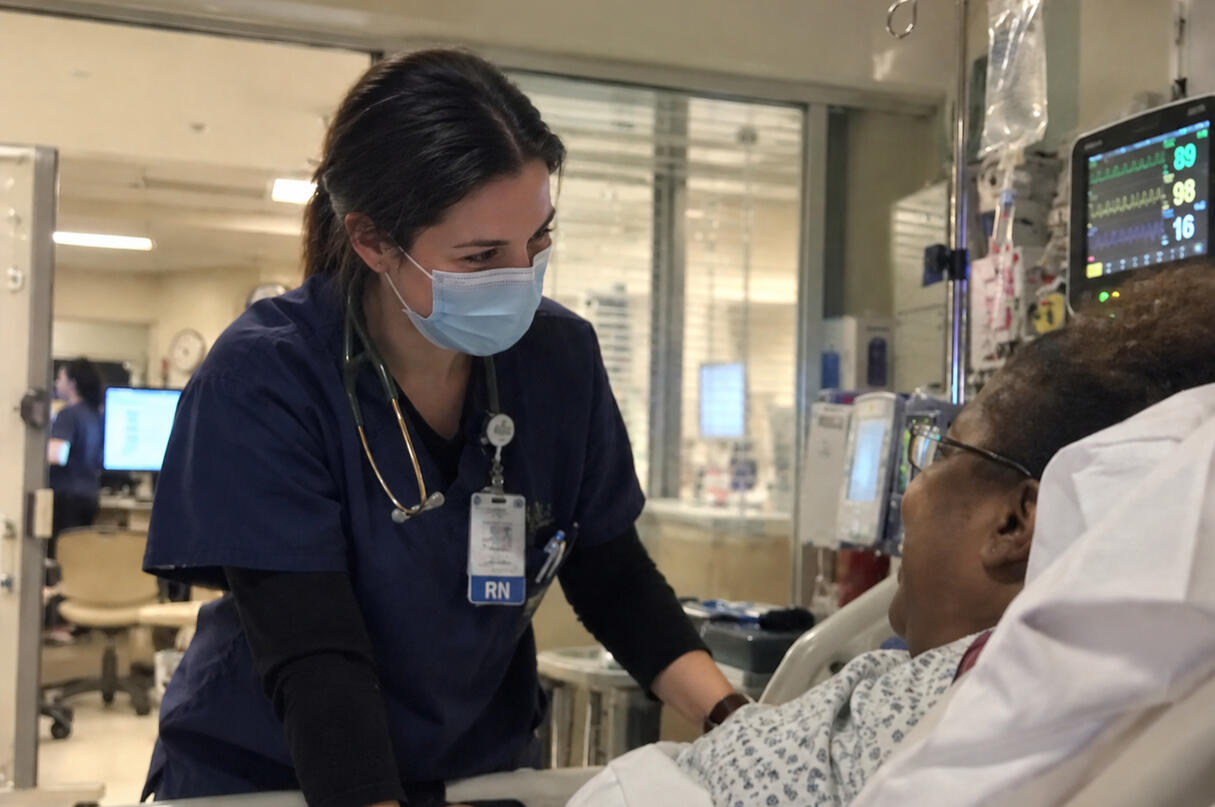
The Occupational and Environmental Health Nursing (OEHN) Program at the New York University offers the PhD/Doctor of Nursing Practice (DNP) training program to prepare nurse leaders in OEHN. Specifically, we prepare nurse scientists (PhD) to conduct interdisciplinary occupational and environmental health focused research that will advance nursing science, inform clinical practice, and influence the education of future nursing professionals. Our DNP graduates are prepared to provide evidence-based advanced practice clinical care in OEHN, lead interdisciplinary healthcare teams in occupational health and safety, and educate future practitioners in OEHN.


PROGRAMS
Continuing Education
Outreach Program
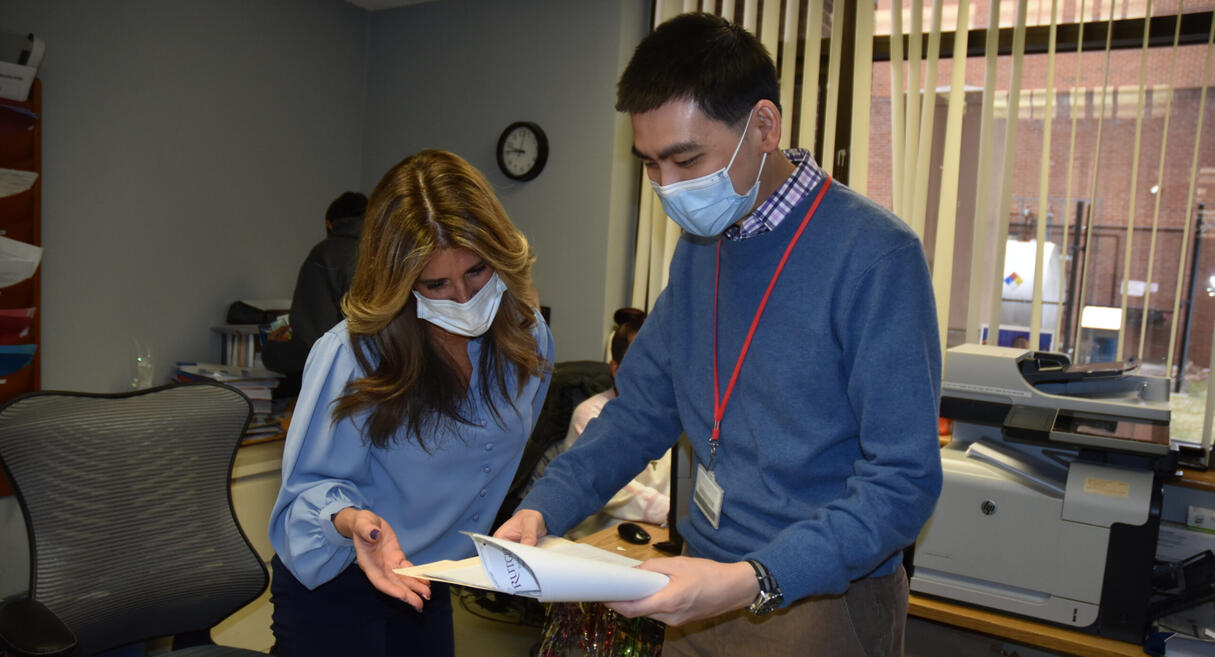
The Continuing Education (CE) Program at the Rutgers University School of Public Health provides continuing education for professionals in occupational safety, industrial hygiene, occupational medicine, and occupational health nursing. Additional courses are provided in hazardous substances. Courses are approved for professional development and continuing education credits in the relevant fields.
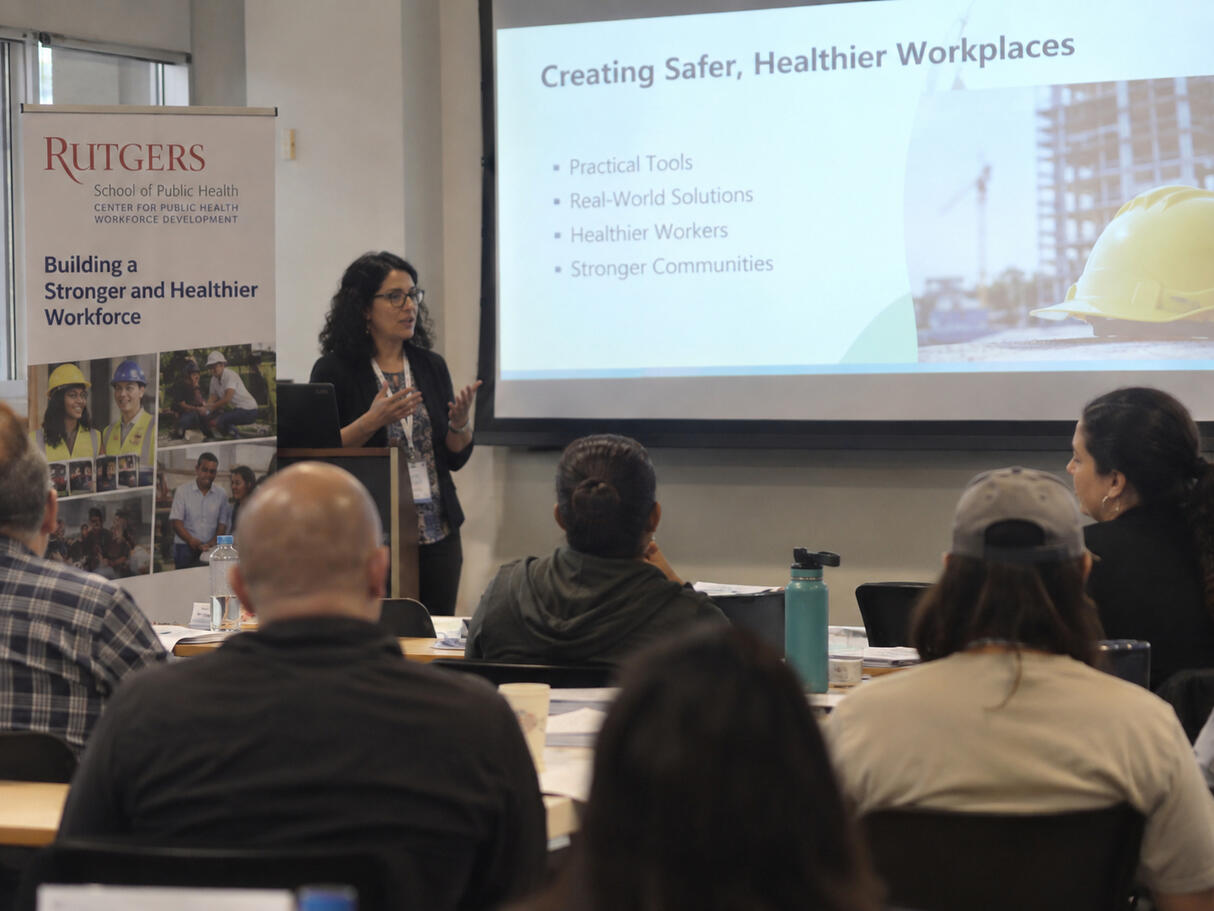
The Outreach Program, led by the Rutgers School of Public Health and coordinated through the Center for Public Health Workforce Development (CPHWD), aims to enhance awareness and knowledge of occupational safety and health (OSH) across Region 2. The Outreach Program engages practitioners, academic institutions, community organizations, and the public through a diverse array of outreach activities. Key initiatives include the ProConnect networking series, fostering peer-to-peer learning among safety professionals, and the Occupational Health Insights webinars, which bridge occupational medicine and safety perspectives.The program’s strategic objectives include:
Enhancing OSH practitioner skills.
Integrating OSH into non-OSH academic programs.
Strengthening collaborations with professional societies.
Translating research into practical workplace applications.



PROGRAMS
Interdisciplinary Program

The NYNJERC offers a robust Interdisciplinary Program to prepare students for collaborative approaches in occupational safety and health. Each year, the ERC provides three unique courses:
NIOSH ERC Interdisciplinary Seminar – A case-study-based course introducing health and safety subspecialties and promoting team-based problem-solving.
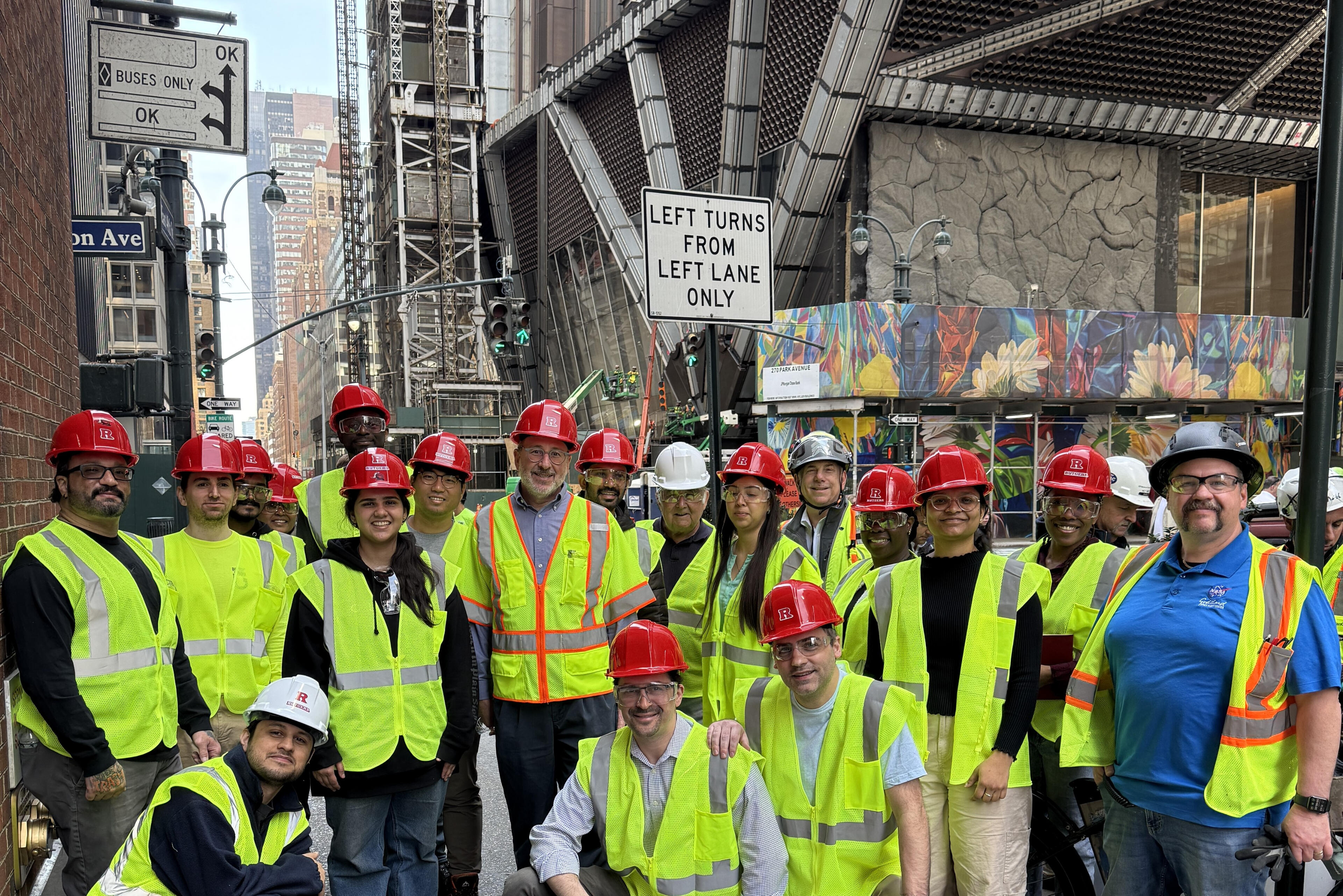
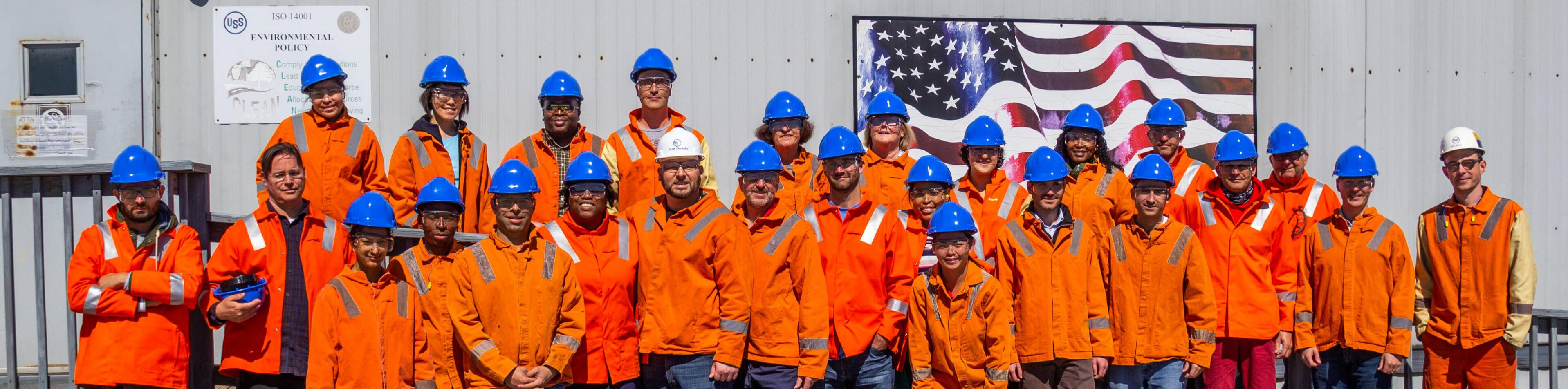
Industrial Site Visits Course – Walkthrough surveys of six diverse worksites across the NY/NJ region, offered annually in spring since 1997. Notably, it has won the Delta Omega Innovative Curriculum Award in 2026.
Historical Perspectives Tour – An innovative summer program exploring the history of occupational safety and health while fostering holistic solutions through team projects.
Additionally, the ERC hosts an annual one-day scientific conference where students and residents from all programs share research and insights on OSH issues.


PROGRAMS
Pilot Project Research Training Program

The Pilot Project Research Training (PPRT) Program, housed within the Icahn School of Medicine at Mount Sinai, provides pilot grants ranging from $5,000 to $12,000 to occupational safety and health (OSH) researchers in Region 2. Proposed research should address topics relevant to OSH and align with CDC/NIOSH NORA research priorities. Priority is given to early-stage investigators seeking to develop independent research careers and to interdisciplinary research projects involving collaboration with relevant stakeholders. The PPRT Program supports innovative pilot research while fostering the development of the next generation of OSH researchers.The PPRT Program's major servies and events include:
Facilitate ERC Pilot Project Awards application and review process
Host grant application information Q&A sessions
Manage ERC Pilot Project grants and support awardees' career development
Publish seasonal PPRT Newsletters
Host annual ERC Pilot Research Symposiums
Foster research collaborations between academic investigators and local stakeholders
Program Inquiries:
[email protected]


2027 Pilot Project Awards application now opened:
Application Instructions
ERC Pilot Project Awardees
2026 Awardees
Roni Barak Ventura, PhD – "A web-based interface to support mental health and reduce substance misuse in the construction workforce"
Wei Bo, PhD – "Exploring a battery-free, sensory RFID system for continuous monitoring dehydration risk in heat-exposed workers"
Maxwell Li, MD – "Improving identification and care for workers with long COVID in the NY workers’ compensation system"
Wil Lieberman-Cribbin, PhD – "Occupational lead exposure, stress, and cardiometabolic risk in New York State Troopers"
Hadler da Silva, MS (PhD cand.) – "Occupational and environmental exposures among household cleaners in the informal labor sector"
Zitong Zhang, PhD – "Identifying body composition metrics as predictors of reduced expiratory flow in an occupational WTC cohort on longitudinal surveillance"
Annual ERC Pilot Research Symposiums
People's Choice Award Recipients
2025
Kathryn Leep-Lazar, PhD, RN
Zoey Laskaris, PhD
2024
Amy Witkoski Stimpfel, PhD, RN
Antonio Saporito, BA, PhD(c)
2023
Gerald Mastroianni, MS
Samantha Fisher, MPH, PhD(c)
NEWS & UPCOMING EVENTS
🏆 Congratulations to Dr. Mitchel Rosen on his 2026 Delta Omega Award!
Recipient of the 2026 Delta Omega Innovative Curriculum Award for the Industrial Site Visits course, part of our Interdisciplinary Program.
New! 2027 Pilot Project Award RFA - Application Due: February 01, 2027
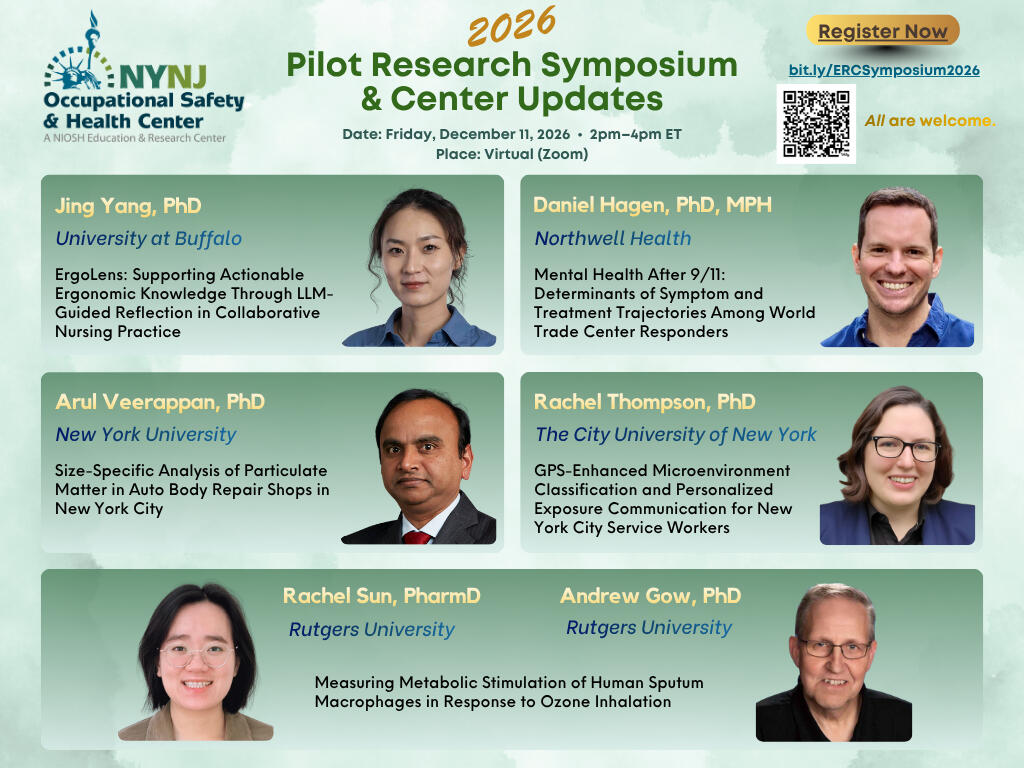
New! 2026 Pilot Research Symposium - December 11, 2026
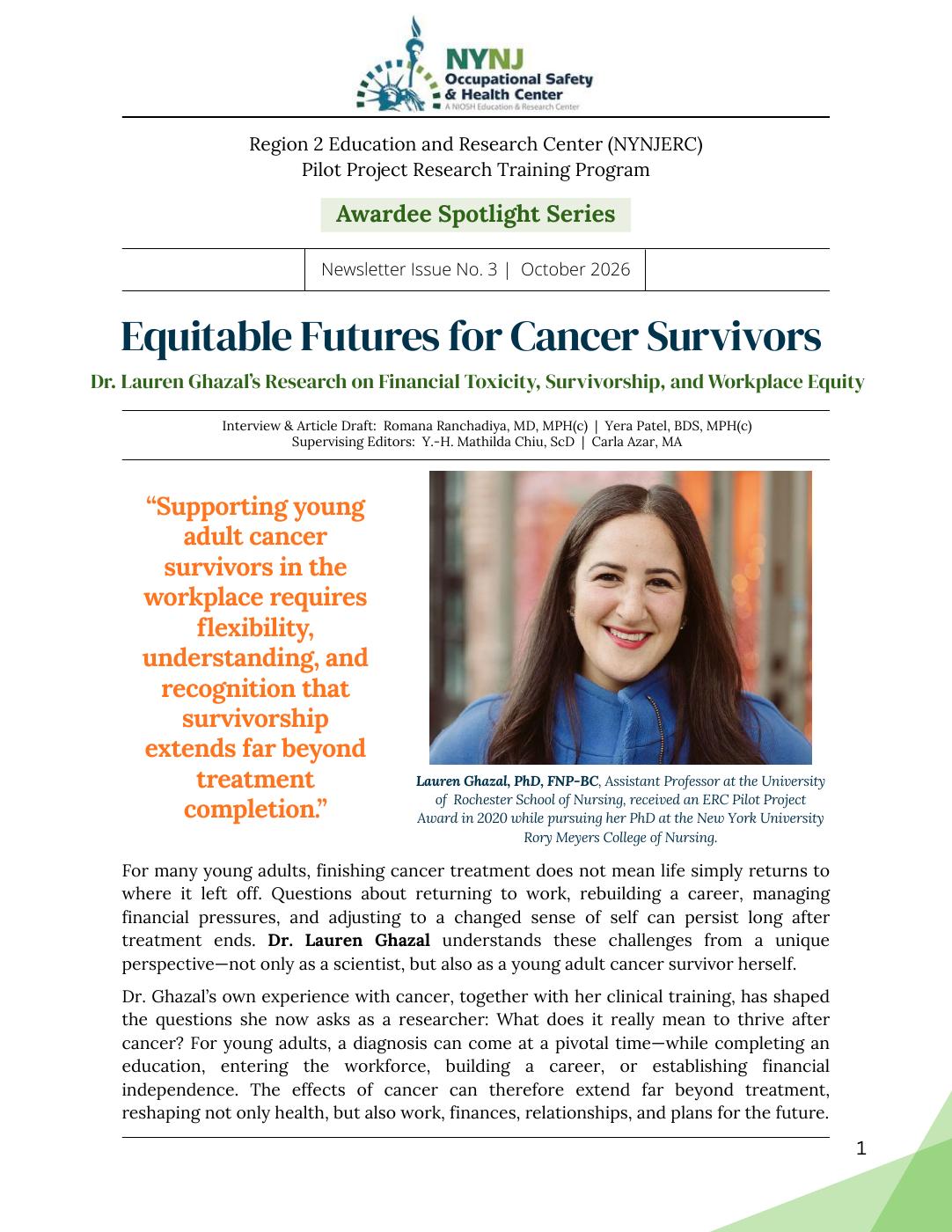
New! Pilot Program Newsletter (Issue No.3) - October 2026 Issue
47th Annual Scientific Meeting - April 09, 2027
View all past events HERE
2026 Pilot Research Symposium
Friday, December 11, 2026
2PM - 4PM ET
Virtual (Zoom) - Registration required
47th Annual Scientific Meeting
Theme: To Be Announced
Friday, April 9, 2027
9AM - 4PM ET
Icahn School of Medicine at Mount Sinai
New York, NY
Region 2 Education and Research Center (ERC)
Pilot Project Research Training Program
2027 Pilot Project Awards
CALL FOR PROPOSALS
Overview:
Grants ranging from $5,000 to $12,000 are available to occupational safety and health researchers in Region 2 (New York, New Jersey, Puerto Rico, and U.S. Virgin Islands). Research should be in the occupational safety and health field and should focus on the National Occupational Research Agenda (NORA) research priorities. Projects examining workforce segments with distinct occupational hazards, exposure conditions, or elevated risk profiles are particularly encouraged. The award period is one year.The objectives of the ERC Pilot Project Awards are to foster creative and informative research in occupational safety and health, to generate preliminary data for future/subsequent research projects, to enhance career development of outstanding early-stage investigators, to provide support to investigators seeking new research directions, to encourage transdisciplinary research collaborations, and to increase opportunities for investigators to recognize the NIOSH/NORA mission and related challenges in this research field. This program provides a pathway for the investigators to turn novel research ideas into fully developed research proposals with the goal of generating preliminary data for larger R01/R03 (or K awards) applications.*This funding opportunity is contingent upon the continuation of federal funding and may be modified or delayed based on federal operational status or policy changes.
Eligibility:
The Principal Investigator (PI) must be affiliated with an institution within in Federal Region 2, but may collaborate with researchers outside of Region 2 with specialties and expertise essential to the project.
PI must meet one of the following criteria:
Trainees (e.g., post-docs, fellows, graduate students, clinical residents, etc.) interested in advanced training in occupational safety and health research
Trainee PI applying for funds must list an advisor/mentor with a faculty position at the same institution. The faculty advisor is responsible for overseeing the progress of the project, expenditure of funds, providing in-depth guidance on research methodologies and implementation, ensuring project completion and the quality of final products/publications, etc.
Early-stage investigators and junior faculty needing initial support for innovative research in occupational safety and health who lack support from other sources
Junior faculty PIs are also strongly encouraged to identify a mentor at the rank of Associate Professor or higher who can advise on the projects.
Investigators working in complementary or non-traditional disciplines who wish to become more actively involved in occupational safety and health research
Investigators planning to develop innovative research efforts in collaboration with faculty from Region 2 ERC
Investigators planning to establish new research directions and topics which they had not previously studied
Stakeholders within Region 2 are also eligible to apply, provided they are working with a faculty member in the ERC institutes. Contact PPRT Program for further information.
Applicants within 7 years of completing their terminal academic degree at the time of application are considered as junior investigators. Trainees and junior investigators will be evaluated with a New Investigator status if they have not previously competed successfully for this ERC Pilot Project Award.
Previous ERC Pilot Project awardees seeking new research directions are eligible to apply, but will also be evaluated based on the productivity of the prior awarded project(s).
Senior faculty and established investigators who have received NIOSH or NIH R01s/R03s or any equivalent grants from other funding sources within the past five years are not eligible to apply as the PI, but are strongly encouraged to serve as mentors.
Award Amount and Period:
Award Amount: The Scientific Review Committee will award grants ranging from $5,000 to $12,000 of total cost (direct costs + indirect costs with a rate capped at 8% of direct costs). Budget must be directly relevant to the proposed research project. Detailed guidelines of allowed budget types are in the Application Instructions section below.Award Project Period: July 1st, 2027 – June 30th, 2028Award Name: Region 2 Education and Research Center, Pilot Project Research Training Program, 2027 Pilot Project Awards
Application Instructions:
The following materials must be submitted by the application deadline Monday, February 1st, 2027 at 11:59pm EST. All applications should include the following contents in the listed order in one PDF document.
Format Instructions:
Page: 8.5 x 11 inches (letter size)
Margins: 1-inch margins
Font Size: 11-12 point
Preferred Fonts: Arial, Georgia, Helvetica, or Verdana (Times New Roman is also accepted but must use 12 pt size).
1. Cover Page (please use the file "2027 Pilot Projects_CoverPage.docx")
2. Table of Contents
3. Abstract (1 page; 400 words maximum): Provide a summary of the objectives, aims, hypotheses, significance, research plan and expected results. The abstract should also include a brief statement summarizing how the award will enhance the research career of the Principal Investigator (PI), and a description of how the work to be funded by this award will contribute to the development of PI’s research career or a new research focus.
4. Biographical Sketch: A concise scientific resume is required for the PI, mentors, co-investigators, if applicable. Please follow the NIH Biographical Sketch Common Form instructions to complete the biosketch (SciENcv must be used to prepare the form). After completion, download the signed form and insert it into the application document.
5. Budget Form: Please use the form "2027 BUDGET Form_ERCmod.docx" (modified version of NIH PHS 398 budget form). Indirect costs are capped at 8% of direct costs. Total cost (direct costs + indirect costs) may not exceed $12,000.
6. Budget Justification (1 page maximum): Detailed descriptions of each item listed in the Budget Form should be outlined with justification of its relationship to the proposed work. Budget must be directly relevant and crucial to the proposed research project.
Tuition expenses are not allowed, as the PI (including trainee PI) is expected to already have sufficient knowledge and skill set to complete the project within one year (under the guidance of the mentor of the project, if applicable).
Salary for the mentor(s) is not allowed.
Budget not directly related to completion of the proposed project should be avoided or minimized (e.g., conference travel, publication fee) and may not exceed $1,000.
7. Research Strategy (within 3 to 5 pages): A single-spaced proposal outlining the proposed research plans, which includes the following sections:
a) Introduction (background, study purpose, and benefits to the field and region)
b) Specific Aims
c) Significance/Innovation
d) Research Approach (recruitment strategies, data collection methods, exposure and/or outcome assessment, laboratory/analytical methods, statistical approaches, program evaluation, potential pitfalls and alternative approaches, etc.)
e) If the project utilizes partial data or measurements from another existing project, the proposal must clearly describe the uniqueness of this application and demonstrate clear evidence that there are no overlaps in study aims.
f) A table/graph demonstrating the proposed timeline from preparation to completion of the project, as well as the PI’s plans to prepare for manuscripts for publication in scientific journals. The project should be completed within one year.
8. Career Development and Mentorship Plans (1 page maximum, combined across both components): Career Development Plans required for all applications; Mentorship Plans required for all trainee PIs, and for junior faculty PIs who include a mentor on the project.
a) For all applications, describe PI’s career development plans, including short-term and long-term goals, as well as how this proposed pilot project will play a role in enhancing their research career trajectories in the field of occupational safety and health.
b) For projects with mentors, describe the mentorship plans that will strengthen the PI’s research capability along the course of the project, and detail how the mentor will monitor the progress of the proposed project in each step, including study design, IRB submission, data collection, feasibility and quality checks, budget tracking, research progress tracking, data analysis, results interpretation, manuscript writings, future grant submission, etc. Also, describe how the mentorship activities will enhance the PI’s career development.
c) Mentors of the proposed project who had already served in previously awarded PPRTP pilot projects are required to briefly summarize the outputs/productivity of their previously mentored projects as well as career trajectory of their past pilot project mentees.
9. List of references/citations: References should be placed at the end of the application document.
10. If applicable, please also attach the documentation which demonstrates appropriate human/animal subjects protection and other necessary approvals that have been arranged and received. (NOTE: All awarded projects must obtain IRB approval by June 30th, 2027. Funding cannot be disbursed without such approval in place.)
11.: Appendix is NOT permitted for this application, except that letters of support from collaborators may be included at the very end of the application PDF file.
Submission Portal:
Submit the electronic version of the completed application in one PDF document
by Monday, February 1st, 2027 at 11:59pm EST via the following URL:
Criteria Used to Evaluate Proposals:
The following criteria will be used mainly in determining the awards by an independent Scientific Review Committee.
Research/Scientific Criteria:
Overall scientific merit: The project should be an original and feasible proposal that demonstrates the applicant’s understanding of the field of research. The project should have a great potential to comprehensively address essential and novel topics in the field and provide insights to occupational health implications based on scientific evidence.
Personnel & Environment: Prior research experience is not necessary. Trainees must list an advisor with a faculty position at the same institution. PI(s) and Co-I(s) should have already received appropriate training and be competent to carry out the study (with their mentor’s guidance, if applicable). Previous awardees of the ERC Pilot Project Awards will also be evaluated based on the productivity of the prior awarded project(s). Trainees and junior investigators who never competed successfully for this Award will be evaluated with a New Investigator status. Institutional supports and resources accessible to the PI's team for conducting the proposed research project should be demonstrated. Individuals already listed as a mentor in a previously awarded PPRTP pilot project should demonstrate research productivity and mentorship quality of the previous project(s).
Significance & Specific Aims: Specific aims and research hypotheses of the project must be clearly listed and defined, and should address important problems or critical barriers to progress in the field. There should be a strong scientific premise for the project. Clear statements and descriptions of the significance of the proposed project must be included.
Research Strategy / Methods: The methods proposed for carrying out the research must be feasible, innovative, and defined and described clearly. The project should address research gaps and seek to shift current research or clinical practice paradigms by utilizing novel and cutting-edge (or a refinement, improvement, or new application to) theoretical concepts, approaches or methodologies, instrumentation, or interventions. Statistical and analytic approaches must be appropriate for answering the research questions.
Timeline and productivity: The timeline should be clearly presented and feasible for completing the project in one year. The PI and the research team should show strong intentions to publish the results/findings of this project on a scientific research journal.
Career development and mentorship plans: The career development plans section is required for all projects and should detail the PI’s short-term and long-term goals for developing research skills and capacity in occupational safety and health, as well as how this pilot award would help achieve these goals. The mentorship plans section is required for all trainee PIs, as well as for junior faculty PIs at the Assistant Professor or equivalent rank who choose to include a mentor in their projects. Mentorship plans should describe how the PI will receive guidance and training from the mentor(s), as well as how the mentorship will enhance the PI’s research capacity and competencies and ensure the progress and productivity of the proposed project.
Programmatic Criteria:
Meets NIOSH, NORA, and NY/NJ ERC objectives and regional needs: The research priorities identified in NORA will be used to evaluate the relevance of research proposals to the field of occupational safety and health. Research topics focusing on workforce segments that experience distinct occupational hazards, exposure conditions, or elevated risk profiles in Region II are particularly encouraged.
Builds research capacity among trainees and new investigators: PI(s) should be trainees/junior investigators or researchers seeking new research directions (senior researchers are encouraged to be mentors but not PIs). Proposals should support the PI’s research development, and the PI is expected to become a competent and independent researcher who aims for further research activities.
Likelihood of publications in peer-reviewed journals and/or subsequent future external funding: Proposed project should have a strong potential (and the research team should demonstrate strong intention and abilities) for publications in peer-reviewed journals, obtaining a subsequent larger research grant (e.g., K23, K99/R00, R01, R03, R21, etc.), or applying the technologies/clinical practice/intervention strategies to a broader population for a longer term, in the near future using the data & results generated from this ERC Pilot Project award.
Addresses differential occupational risks: Proposals aimed at identifying and reducing differences in occupational exposures or health outcomes across worker groups, industries, or work conditions are encouraged, particularly when they offer actionable insights for prevention or intervention.
Involves interdisciplinary approaches and multiple stakeholders: Proposals that seek to involve multidisciplinary researchers & methodologies as well as multiple interested parties – such as employees, organized labor, employers, state officials, academics, etc. – are particularly encouraged. Similarly, proposals that include the participation of NIOSH-supported health and safety training program grantees or investigators at other academic institutions in Region II are specifically encouraged.
Appropriateness of budget and evidence that the proposed work is not otherwise funded: Budget must be directly relevant and crucial to the proposed research project. Tuitions and mentor’s salary are not allowed. If the project utilizes partial data or products from another existing project, the proposal must clearly describe the uniqueness of this application and demonstrate clear evidence that there are no overlaps in study aims.
Reporting Requirements:
Successful awardees will be required to:
Submit IRB approval documents to ERC before June 30th, 2027.
Submit a mid-term Progress Report by January 15th, 2028; the report should detail progression and any changes to the research protocol and report essential findings to date.
Participate in PPRTP’s mid-term awardee meeting (February 2028) to discuss strategies to keep the projects on track and network/exchange experiences with other pilot project awardees and mentors.
Submit a Final Report by July 31st, 2028 (one month after the end of the Award period) summarizing research activities and results upon completion of the project.
Give a presentation at the ERC Annual Pilot Research Symposium in the fall of 2028.
Submit annual reports on list of presentations, manuscript publications and subsequent larger grant submissions/funding (e.g., K23, K99/R00, R01, R03, R21, etc.) that are based on this Pilot Award, for at least 2 years after project completion (up to 5 years).
Important Dates for 2027 Applicants/Awardees:
| Date | Agenda |
|---|---|
| January 15, 2027 | Q&A Information Session for Prospective Applicants Registration: https://bit.ly/ERCpilot2027-QnA |
| February 1, 2027 | Deadline for Application Submission |
| Early May 2027 | Announcement of Awardees |
| June 30, 2027 | Deadline for obtaining IRB Approvals |
| July 1, 2027 | Project Start Date |
| January 15, 2028 | Deadline for Mid-Term Progress Report |
| June 30, 2028 | Project End Date (all funds must be spent before this date) |
| July 31, 2028 | Deadline for Final Report |
| November 2028 | Presentation at the Annual ERC Pilot Research Symposium |
| Dec 2028 / Dec 2029 | End-of-Year Annual Follow-Up Reports (mandatory for 2 years post-project, up to 5 years of tracking) |
Contact Information
Application Submission: https://bit.ly/R2ERCpilot2027For Administrative Questions:
Ms. Giselle Candelario, Program Coordinator (Email: [email protected])
For Scientific Questions:
Dr. Yueh-Hsiu Mathilda Chiu, Program Director (Email: [email protected])

LIBRARY & RESOURCES
Newsletters
Pilot Program Newsletter, Issue No.3 (Oct 2026) - Equitable Futures for Cancer Survivors
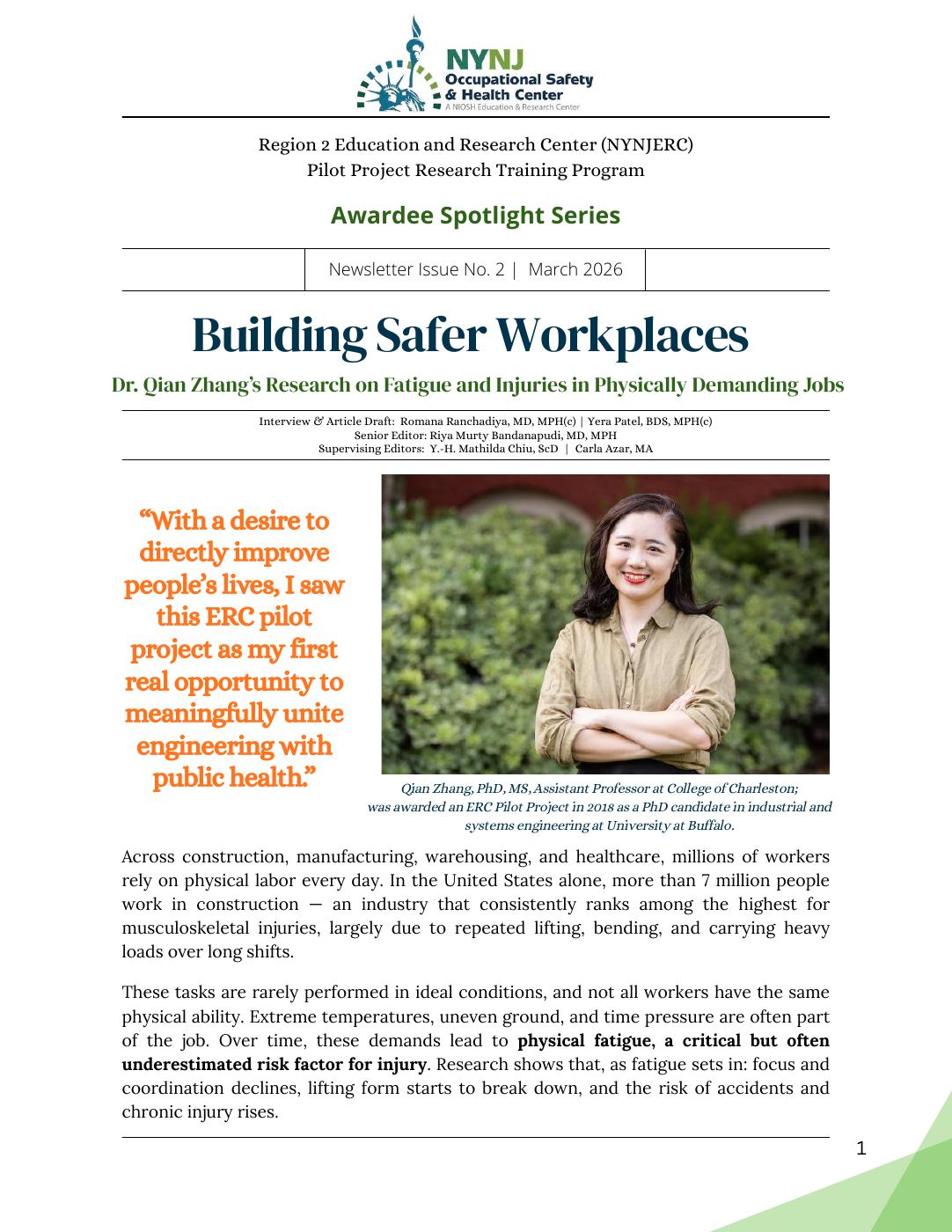
Pilot Program Newsletter, Issue No.2 (Mar 2026) - Building Safer Workplaces
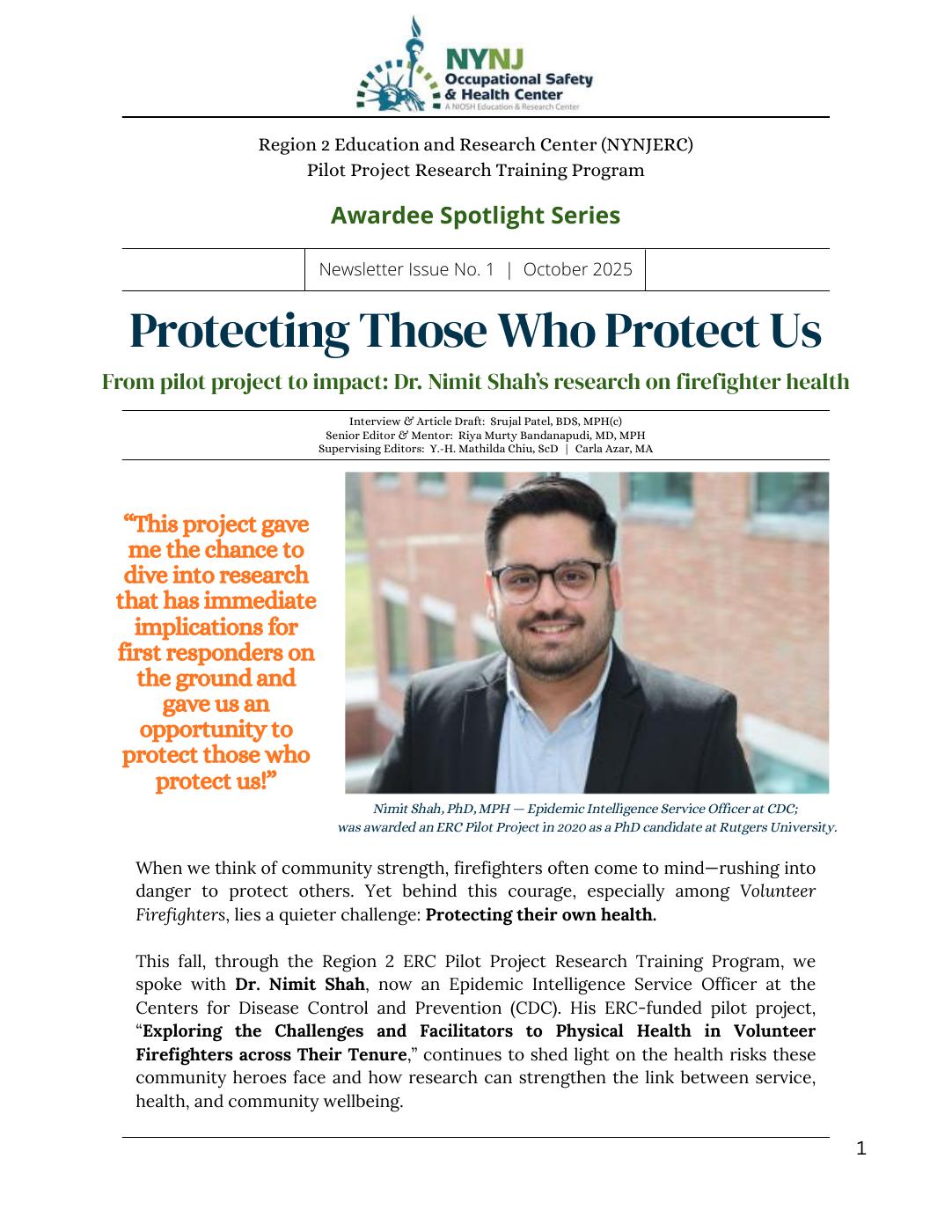
Pilot Program Newsletter, Issue No.1 (Oct 2025) - Protecting Those Who Protect Us
Past Events & Recordings
Annual Scientific Meetings
46th Annual Scientific Meeting - 25 Years After 9/11: How Has OSH Changed? (April 24, 2026)
45th Annual Scientific Meeting - Occupational Safety and Health Policy (April 4, 2025)
44th Annual Scientific Meeting - Use of Wearables and Sensors for Exposomic, Occupational and Environmental Health Research (April 14, 2024)
43rd Annual Scientific Meeting - Hot Topics in Occupational Safety & Health (February 10, 2023)
42nd Annual Scientific Meeting - Applying Total Worker Health Concepts (February 11, 2022)
41st Annual Scientific Meeting - COVID-19, Infectious Diseases, and Worker Safety and Health (February 19, 2021)
40th Annual Scientific Meeting - The Future of Work (February 19, 2021)
39th Annual Scientific Meeting - Safety and Health in a Changing World (November 20, 2018)
37th Annual Scientific Meeting - Occupational Safety and Health for Healthcare Workers (2016)
36th Annual Scientific Meeting - Occupational Health & Safety in Construction: New Preventive Models for Large Construction Projects (2015)
35th Annual Scientific Meeting - Responding and Preparedness to Disasters: Safety and Microbial Hazards (2014)
34th Annual Scientific Meeting - Diesel, Transportation, Occupational Exposures, and Health (2013)
33rd Annual Scientific Meeting - New Approaches to Regulations: Ergonomics and Exposure Standards (2012)
32nd Annual Scientific Meeting - Emergency Response Since 9/11 (2011)
31st Annual Scientific Meeting - From Fear to Flu: Novel H1N1 Health Care Workers, and Workplace Risks (2010)
Pilot Research Symposiums
Upcoming 2026 Pilot Research Symposium - December 11, 2026 - Registeration HERE
2025 Pilot Research Symposium - December 12, 2025
2024 Pilot Research Symposium - November 15, 2024
2023 Pilot Research Symposium - December 8, 2023
2022 Pilot Research Symposium - December 9, 2022
2021 Pilot Research Symposium - December 3, 2021
2020 Pilot Research Symposium - November 13, 2020
Historical Perspectives Tours
Sample Agenda from the 2024 Tour:
June 2, 2024 – Site visit to Boott Cotton Mill, Lowell, MA
Textiles group presentationJune 3, 2024 – Site visit to Commercial Fishing, Portland, ME
Fishing Paper group presentationJune 4, 2024 – Site visit to Huhtamaki Paper Products
Paper manufacturing group presentationJune 5, 2024 – Site visit to Rock of Ages Quarry, Barre, VT
Site visit to Hope Cemetery
Granite quarry group presentation
View the galley and blog of previous historical perspectives tours HERE
Occupational Safety & Health Resources
Professional Organizations
GALLERY

CONTACT US
ARCHIVES
45th Annual Scientific Meeting
Occupational Safety and Health Policy
Friday, April 4th, 2025
| Time | Agenda |
|---|---|
| 8:30 AM | Registration, Coffee, Poster Sessions |
| 9:00 AM | Welcome |
| 9:15 AM | Keynote Address |
| 9:45 AM | Extreme Heat Panel Transportation Agriculture OSHA and State Heat Regulations Discussion |
| 10:00 AM | International Perspectives and Efforts Dr. Miranda Loh – Institute of Medicine, UK |
| 11:00 AM | Break |
| 11:15 AM | Ergonomics Panel Warehousing Patient Handling Meat packing (line speeds) Discussion |
| 12:30 PM | Lunch and Poster Session |
| 1:30 PM | Mental Health and Resiliency Panel Opioids Emergency Responders Community Health Workers Discussion (Workplace Violence) |
| 2:45 PM | Break |
| 3:00 PM | Advocating for Worker Protections/Policy/Etc. Federal and State Policy Worker Advocacy Unions Discussion |
| 4:30 PM | Conclusions and Adjournments |
Organized by:
New York and New Jersey Education and Research Center
NIEHS New York Training Center in Emerging Technologies in Industrial Hygiene
44th Annual Scientific Meeting
Use of Wearables and Sensors for Exposomic, Occupational
and Environmental Health Research
April 19th, 2024
| Time | Agenda |
|---|---|
| 8:30 AM | Registration, Coffee, Poster Sessions |
| 9:00 AM | Welcome |
| 9:10 AM | NIEHS Sensor Initiatives Dr. Richard Woychik, NIEHS |
| 10:00 AM | International Perspectives and Efforts Dr. Miranda Loh – Institute of Medicine, UK |
| 10:30 AM | Ethics on the Use of Wearables Devices Dr. Karel Van Damme, Belgium |
| 11:00 AM | Break |
| 11:30 AM | Evaluation of TVOCs in Nail Salon Workers Dr. Brian Pavilonis, CUNY SPH |
| 12:00 PM | Use of Low-cost aerosol monitors in the Workplace Dr. Sinan Sousan, East Carolina University |
| 12:30 PM | Applied Use of Wearable Sensors in Exposomic and Occupational and Environmental Health Studies Dr. Homero Harari, Mount Sinai |
| 1:00 PM | Lunch and Poster Session |
| 2:00 PM | Ergonomic Assessment using Wearable Devices Dr. Jonathan Dropkin, Mount Sinai |
| 2:30 PM | Utilizing Wearable Devices to Advance Eye Exposure Research Dr. Azzurra Invernizzi, Mount Sinai |
| 3:00 PM | exposoME app and Geospatial Analysis Dr. Itai Kloog, Mount Sinai |
| 3:30 PM | Break |
| 3:45 PM | Environmental Monitoring Utilizing Low-cost Sensors Dr. Misti Levy Zamora, University of Connecticut |
| 4:15 PM | Perspectives from Workers and Community Organizations (Moderated discussion: Nail Salons-Brian, Labor Institute-Arturo) [Homero Harari and Brian Pavilonis] |
| 5:00 PM | Conclusions and Adjournments |
Organized by:
New York and New Jersey Education and Research Center
NIEHS New York Training Center in Emerging Technologies in Industrial Hygiene
Mount Sinai Institute for Climate Change, Environmental Health, and Exposomics
Conduits: Mount Sinai Health System Translational Science Hub
Mount Sinai Center for Health and Environment Across the LifeSpan (HEALS)
[ Page Under Maintenance ]Please come back at a later time!